Lily Bird Font: A Handwritten Typeface for Small Business Branding
When you run a small business, every piece of paper, every label, and every social media post is a chance to make an impression. The fonts you choose become part of that impression, whether you realize it or not. I learned this the hard way after switching between too many free fonts across my product labels and website banners, ending up with a brand that looked scattered instead of cohesive. That is exactly why I started paying closer attention to handwritten script fonts, and why Lily Bird quickly became one of my go-to typefaces for customer-facing materials.
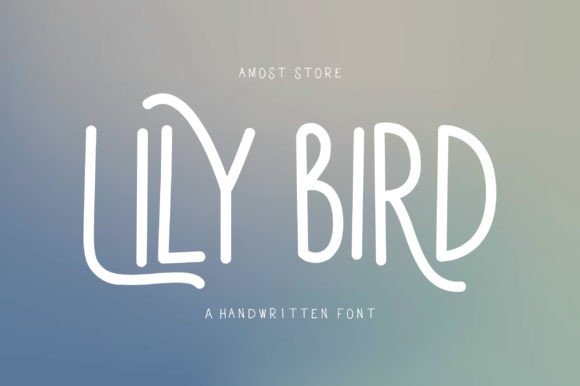
Lily Bird is a cute and friendly handwritten font that brings warmth and personality to any project. Its style feels approachable without being childish, and it carries a handcrafted quality that resonates with customers who value authenticity. If you sell handmade goods, run a boutique, or offer creative services, this font can help your brand feel more human and less corporate. And in a market where trust and recognition matter, that human touch is worth a lot.
What Lily Bird Brings to Your Brand Identity
A handwritten font like Lily Bird works well when you want your brand to feel personal and inviting. It has a natural, slightly uneven rhythm that mimics real handwriting, which makes it ideal for businesses that want to communicate warmth and sincerity. This is not a rigid, mechanical typeface. It has movement and character, and that character can become a recognizable part of your brand identity.
For example, if you run a bakery or café, using Lily Bird on your menu boards, takeout bags, and loyalty cards can create a consistent look that feels homemade and welcoming. Customers often associate handwritten typography with small-batch quality and personal attention. The same goes for beauty product packaging, candle labels, or skincare jars. A friendly script font on a label can signal that the product inside was made with care, not mass-produced in a factory.
Real Business Materials Where Lily Bird Shines
One of the best things about Lily Bird is its versatility across different formats. I have used it for logo concepts, business cards, product labels, packaging inserts, thank-you cards, and social media graphics, and it holds up well in all of those settings. Let me walk through a few realistic examples.
- Logo design for a boutique or coaching business. Lily Bird works beautifully as a standalone logo font, especially when paired with a simple icon or emblem. Its friendly curves make it memorable without being overly decorative. For a life coach or wellness brand, this font can communicate approachability and warmth right in the logo mark.
- Product labels for handmade candles or soaps. Small labels need to be readable, and Lily Bird maintains clarity even at slightly smaller sizes. I tested it on a 2-inch candle label, and the letterforms stayed open and easy to read. That matters when customers are scanning shelves or shopping online.
- Menu boards and flyers for cafés. If you own a coffee shop or juice bar, using Lily Bird for headings and featured items can give your menu a charming, hand-lettered feel. Pair it with a clean sans serif font for the body text, and you have a menu that is both beautiful and functional.
- Thank-you cards and sticker sheets for online orders. Small touches like a handwritten-style thank-you note inside a package can boost customer loyalty. Lily Bird makes those notes feel personal, even when they are printed. I have used it for packing inserts and gotten comments from customers saying the packaging felt thoughtful.
- Social media posts and Pinterest graphics. On Instagram and Pinterest, visuals need to stop the scroll. Lily Bird stands out in quote graphics, promotional posts, and product announcements because it looks handcrafted against clean backgrounds. It also works well in Stories and Reels titles.
Readability in Real Business Settings
One concern I hear from other business owners is whether a handwritten font can remain readable in practical applications. Lily Bird addresses this well. Its letterforms are clear and well-proportioned, with enough spacing to avoid the cramped look that sometimes plagues decorative script fonts. I have used it on mobile-optimized website banners and on small product tags, and in both cases, customers could easily read the text without squinting.
That said, readability also depends on context. For long paragraphs or dense body copy, a handwritten font is usually not the best choice. Lily Bird works best as a display font, meaning it should be used for headlines, logos, short phrases, and accent text. For longer descriptions or product details, pair it with a simple sans serif font or serif font to maintain clarity. This kind of font pairing keeps your brand looking professional while still adding personality.
When testing Lily Bird for your own materials, I recommend printing a sample label or viewing a mockup on your phone screen before committing to a full order. Check how it looks at 12 points on a sticker and at 48 points on a sign. If the letterforms stay crisp and the overall impression matches your brand tone, you are on the right track.
Font Pairing Ideas for a Cohesive Look
No single font should carry your entire brand alone. Pairing Lily Bird with a complementary typeface creates hierarchy and visual interest. Here are a few pairing approaches that work well in practice.
For a clean, modern look, pair Lily Bird with a simple sans serif font. The contrast between the handwritten curves and a neutral sans serif creates balance. Your logo or headline can use Lily Bird, while your product descriptions, website body text, and contact information use the sans serif. This is a reliable combination for beauty brands, lifestyle blogs, and online shops.
For a more classic or premium feel, pair Lily Bird with a readable serif font. The serif brings structure and authority, while the script adds friendliness. This combination works well for wedding stationery, high-end packaging, and boutique branding where you want to feel both elegant and approachable.
There is also room to use Lily Bird as an accent font. Even if your main logo uses a different typeface, adding Lily Bird to secondary elements like taglines, social media headers, or product variant labels can give your brand a consistent handwritten thread that ties everything together.
Why Consistency Across Touchpoints Matters
Using Lily Bird consistently across your materials builds recognition. When a customer sees your Instagram post, then receives your packaging, then visits your website, they should feel like they have encountered the same brand each time. Fonts are a big part of that consistency. If you use a different script font on every platform, your brand identity becomes muddy. Choosing one friendly handwritten font like Lily Bird and sticking with it across logos, labels, business cards, banners, and digital ads creates a unified visual language that customers start to remember.
That consistency also builds trust. A brand that looks put-together and thoughtful in its typography signals that the same care goes into its products and customer service. Small business owners who invest in a premium font and use it deliberately often find that customers perceive their brand as more professional and reliable.
Licensing and Commercial Use Considerations
Before you start using Lily Bird on product packaging, merchandise, templates, or client work, take a moment to check the commercial font licensing. Not all fonts allow free commercial use, and using a typeface without proper licensing can create legal headaches down the road. Lily Bird, like many premium fonts from Script Amp, typically offers clear terms for small business use, but you should always verify what is covered. If you plan to sell products with the font on the packaging, include it in digital templates, or use it in logos for paying clients, make sure your license covers those activities. This is a simple step that protects your business and respects the work of the font designer.
Investing in a commercial license is part of treating your brand like a real business. Free fonts can be tempting, but they often lack the polish, character sets, and legal clarity that a premium font provides. Lily Bird is a professional font that gives you the confidence to use it across all your materials without wondering whether you are breaking terms.
Making Lily Bird Part of Your Everyday Workflow
Once you have Lily Bird installed and licensed, start small. Use it in one or two places first, like your product labels or your Instagram highlight covers. See how it feels and how customers respond. Then expand it to your business cards, your email newsletter header, your website hero section. Over time, the font becomes part of your brand identity in a natural, unforced way.
I have found that handwritten fonts like Lily Bird work especially well for small businesses that want to stand out in crowded markets. When every other brand in your niche uses the same clean sans serif, adding a friendly script font can make your packaging or social media feed instantly more memorable. It signals that your business has personality, and that personality helps customers connect with you on a deeper level than just the product itself.
Whether you are launching a new brand or refreshing an existing one, Lily Bird gives you a versatile, approachable typeface that can carry your message across packaging design, logo design, web design, and social media graphics. It is a creative font that feels both modern and timeless, and it pairs well with the design assets you already use. For small business owners who want their brand to feel warm, professional, and recognizable, adding Lily Bird to your toolkit is a practical step in the right direction.